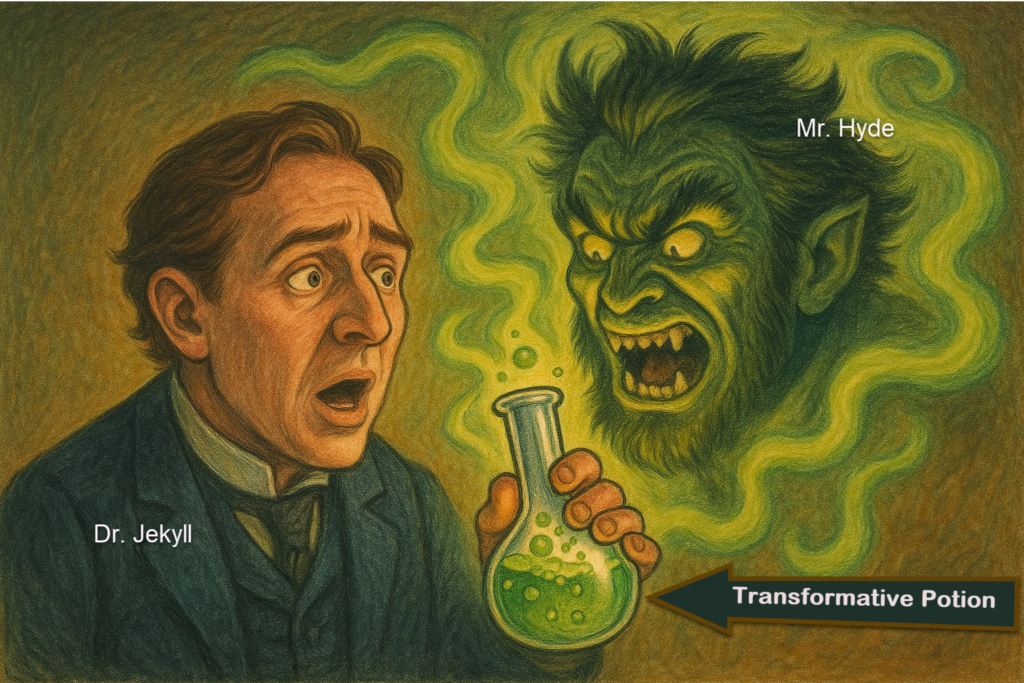
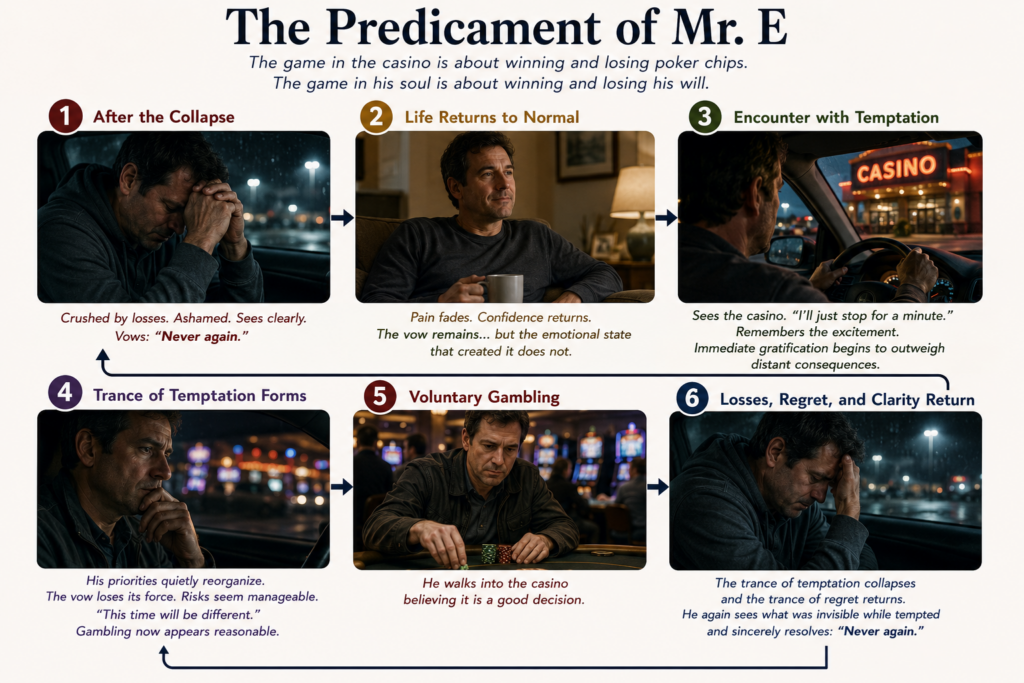
Not all examples of voluntary self-sabotage have this recursive feature, but they all involve Unintentional Trance Formation [UTF]. This tale of Mr. E illustrates how UTF can cause an otherwise successful fellow to voluntarily choose a path that predictably leads him to unwanted outcomes. His business associates judge him to be competent, not because he never makes mistakes, but because he learns from them and eventually figures out how to achieve the outcome he intends. After a disastrous relapse, he employs the strategy that usually serves him well. He steps back and observes what happened from a distance. In this case, he tallies his gambling wins and losses and then the pleasures and pains he derived from the activity. His observations lead him to the unmistakable conclusion: The costs of gambling far outweigh the benefits. On the basis of this appraisal, he plans to abstain from gambling; his wife and everybody who cares about him support this decision. Unfortunately, his plan doesn’t account for the trance-formative power of temptation. When he gets near the casino, a different version of Mr. E will be in the driver’s seat. He is savvy enough to recognize that temptation is a potent foe that can distort his judgment, but his challenge is more profound than the version that is not experiencing temptation can appreciate. He cannot foresee the depth of the distortions because his foresight, like everything he experiences from the first-person perspective, is state-dependent. It’s not just that his judgment and perception are different before and after a relapse; he is different! Each version of Mr. E is reacting to a different subjective reality; what makes no sense in one makes perfect sense in the other.
It’s one thing to understand that other people’s judgments are distorted by their current psychological state. Everybody, including our hero, knows that he will appraise gambling differently when his judgment is influenced by remorse over his previous relapse than when he is under the spell of temptation. This is abstract [third-person] knowledge that most observers, including our hero, understand at an intellectual level. This kind of knowledge is cheap in that it can be acquired quickly and easily. If you were not aware of it before, reading the last paragraph may be sufficient. First-person skill development, on the other hand, is more expensive; it develops slowly and requires personal practice. For him to know himself well enough to exercise a willful influence over his reactions during high-risk situations requires understanding the abstract principles of cause-and-effect as observed from the outside [objective reality], and the practical skill of utilizing these principles to influence subjective reality [what happens inside].
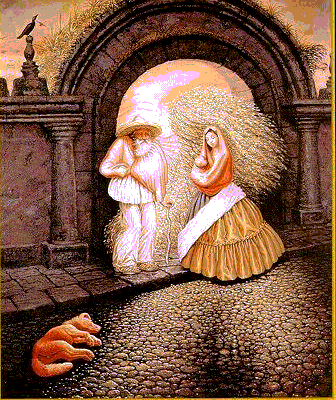
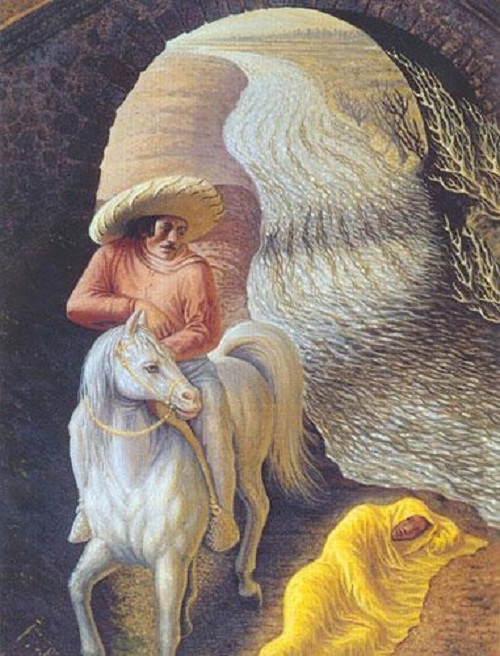
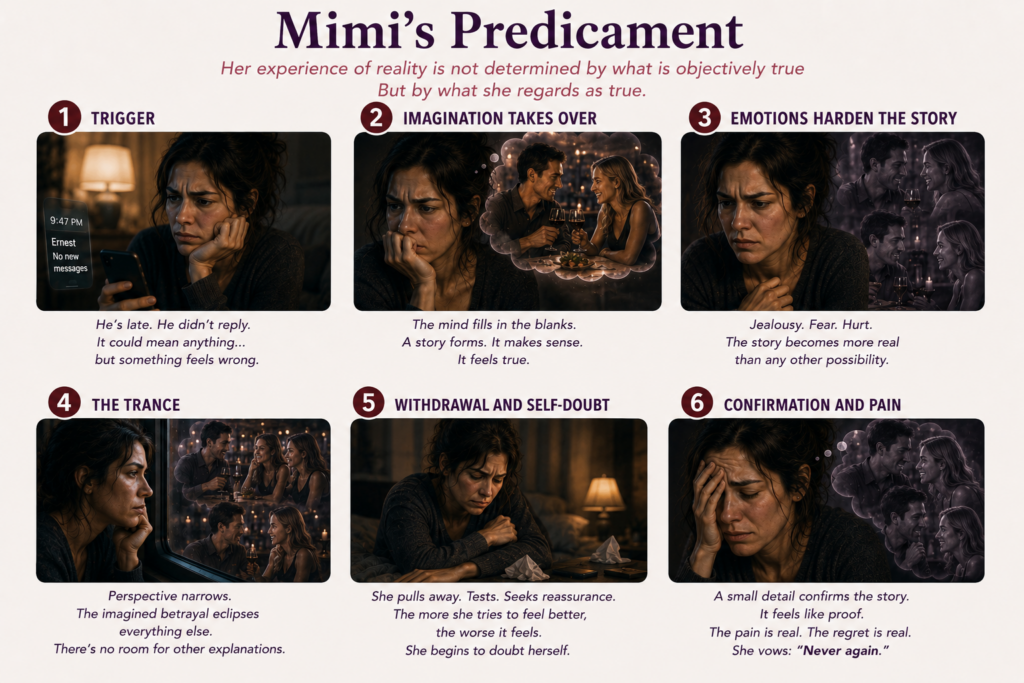
Mr. E is where objective data is translated into meaningful experience. The data itself doesn’t trigger the emotional/motivational reaction; it’s the interpretation that does. But each interpretation must be made from a particular point of view, and so all interpretations are biased by the perspective from which they were created. Our hero’s biological predispositions and conditioning history introduce a systematic bias that shows up as a repetition of the same mistake. The fictional tale of Mr. E serves the same function as Ocampo’s artwork: to elicit a subjective experience that you can observe from the outside and the inside. Specifically, your research collaboration can observe the transformation of words on the screen into the meanings you experience, in the same way it previously observed the transformation of pixels on the screen into the images you experience.
So, suspend your disbelief and imagine that you are Mr. E soon after a relapse. His wife is disheartened by his failure to abstain from gambling as he said he would, and he feels worse about it than she does. He swears, “I’ve learned my lesson this time, and I’ll never gamble again!” But she’s been here before and replies, “You’re full of shit! I know you better than you know yourself, and you’re going to do what you always do. You’ll gamble the next time you get the chance.” He claims he means what he says, and a lie detector test would show that he is telling the truth. Nevertheless, just as she predicted, it wasn’t long before he voluntarily drove himself to the casino and gambled.
If you could replicate her third-person perspective, you would experience one reality; a different reality would emerge if you could replicate his first-person experience. The latter is much more difficult to create because it requires you to regard his obviously distorted perspective as valid and complete. Nevertheless, neither of their models of reality is valid and complete. She doesn’t have access to his subjective experience and is, therefore, blind to what causes him to act as he does. Even though he has access to all the information available to her [including his history of failed commitments] in addition to his own subjective experience, he is blind to what is obvious to her (and to everyone else). Each perspective has access to the information the other one lacks. To use the optical illusion metaphor: Like the researcher, she has access to the pixels [objective reality] but not to the images [the meanings that cause him to act as he does]; he has access to the image he creates, but is oblivious to the reality from which he creates it [the pixels have no intrinsic meaning and could be interpreted as, say, a pretty girl or birds tending a nest]. The collaboration offers a different, more comprehensive perspective on cause-and-effect than either would alone. This metacognitive perspective inoculates our heroes against the Soul illusion: The dogma that they know the truth when they do not.
Earlier, you created different images from the same pixels. Now, see if you can use your cognitive and imaginative faculties to create different psychological states [remorse and temptation] from the same facts provided in the tale of Mr. E:
- Induction of the trance of remorse: His point of view after his most recent relapse was as a self-loathing loser who had lost control over his actions and destroyed everything he had worked for his entire lifetime to build. In hindsight, he judged his decision to gamble a mistake and would undo it if he could. He understood that what he did in the past could not be undone, but he hoped he could prevent future catastrophes by swearing never to gamble again. Sadly, he was taken in by the illusion that since he now knew the truth, he would always judge gambling the same way.
- Induction of the trance of temptation: Sometime later, when the pain caused by gambling was far away, and circumstance brought him closer to the casino, his experience of reality changed. For example, gambling no longer seemed like an error of judgment. The version of Mr. E making decisions during high-risk situations perceives and judges reality differently from the one who sincerely intended never to gamble again.
To induce trance #1, imagine the thoughts and images that would go through your mind if you lost more money than you could afford, and felt that you failed yourself and your family. The more detailed your fictional, first-person thoughts and imagery are, the more authentic your emotional reaction will be and the more interesting your exploration . . . .
(See if you can induce the trance of remorse now).
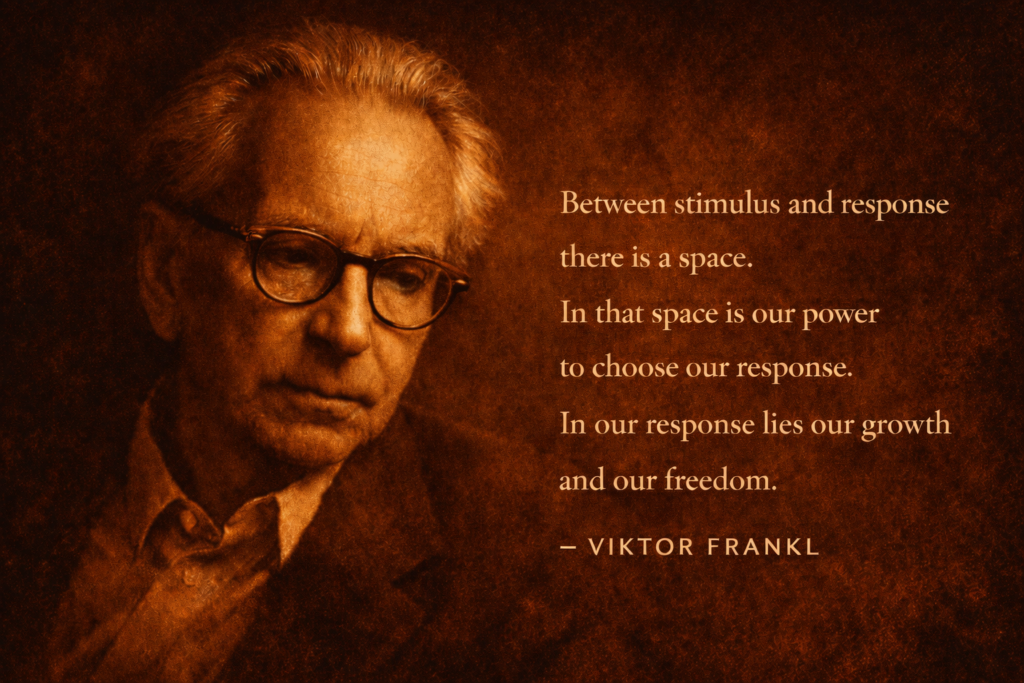
If you were able to elicit frustration, self-loathing, or shame, congratulations! Using your mental faculties alone —without the aid of drugs, video prompts, or any other external aid — you created the suggested phenomena. This creative process is similar to the one you used to transform Ocampo’s pixels into meaningful images. Contrast this Intentional use of your mental faculties to induce state change with the unintentional trance formations responsible for our hero’s perverse pattern of resolving to quit gambling and then voluntarily choosing to gamble.
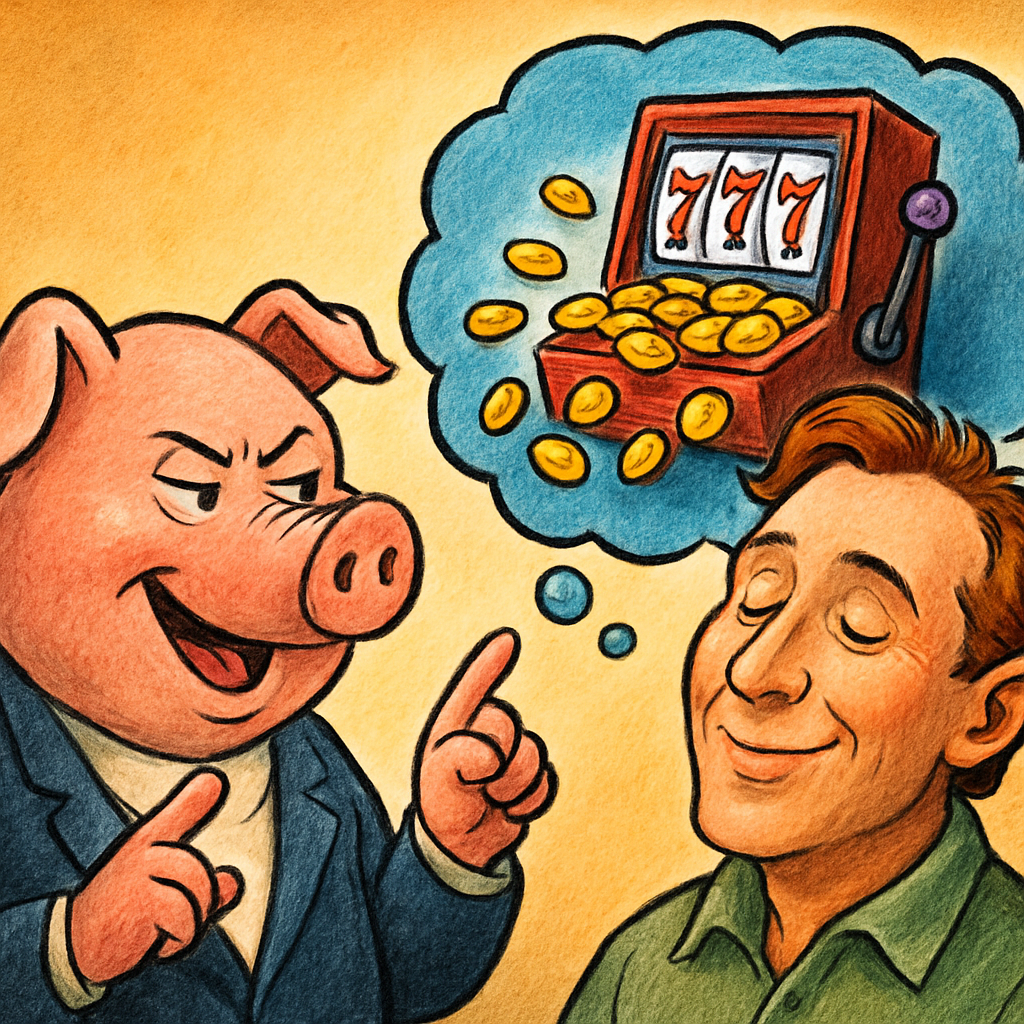
Approximating Mr. E’s remorseful trance was easy because you can identify with his reaction to making a costly mistake when you should have known better. Replicating trance induction #2 is more challenging, especially if you don’t have a personal history of battling temptation. In that case, this exercise, analogous to working out with heavy weights to build muscle, will strengthen the mental faculties required to induce Intentional Trance-Formation. So, once again, suspend your disbelief and imagine you are interpreting reality from our hero’s perspective. He is giving himself a vacation “to get away from it all.” After a few days camping around Yosemite, he’s on the road to visit his buddy in Arizona when he realizes that if he took a short detour, he could spend the night at his favorite four-star hotel in Las Vegas. His covert dialog: “I’m taking a week off work because I need a break from the stress. I could spend the night at a dingy Comfort Inn in the middle of nowhere or at a four-star hotel for fifty bucks.” When he imagines what his wife would say if she overheard that comment, he imagines telling her, “I’m not interested in gambling, what I really want is a relaxing vacation. The luxury of a great hotel room, fantastic food, and entertainment is what I’m seeking.” If his wife could hear his response, she would judge it as an intentional fabrication designed to justify going to the casino. But she would be reading him wrong. Despite all his faults, Mr. E is an honest man; his claim is not deception, as a lie-detector test would show. His sin was ignorance of himself, not deceit. While on the road thinking about that dialogue with his wife, he was not intending to gamble. However, once he arrived at the hotel, his proximity to temptation transformed him.
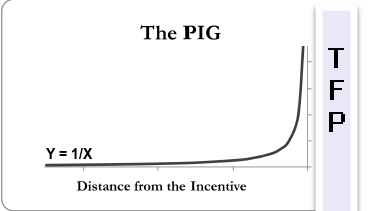
Despite the many opportunities he’s had to observe how temptation transforms him into a loser who has no control over his appetite for gambling, he fails to anticipate what will happen to him as he approaches the casino. In this sense, his wife knows him better than he knows himself. His research collaborator [third-person perspective] knows him the way his wife and other dispassionate observers do, and could introduce him to The PIG [The Problem of Immediate Gratification] — the hyperbolic relationship between the trance-formative power [TFP] of a temptation and its immediacy [in terms of space, time, or psychological distance]. Because the relationship is hyperbolic [the graph shows Y=1/X ], the influence of temptation increases gradually at first but progressively more rapidly as he gets closer to the casino. Finally, during his walk from his parking space to the front desk, he passed the entrance to the casino, and its influence on his subjective reality increased so rapidly that he was trance-formed before he knew what hit him. The Mr. E who promised his wife he would never gamble again was no longer in the driver’s seat. It was not that he lost control of the vehicle; he lost control over who was operating it.
Unlike his lifelong commitment to refrain from gambling, his actions are irreversible. Once his relapse has happened, he can’t undo it; all he can do is prevent himself from making the same mistake again. Evidently, committing to abstinence is not as potent a strategy as he assumed it would be. Perhaps it was in the past, but his history of broken promises has cost him the power of his word. While his past relapses have been unbearably costly to his financial security and his relationship with his wife, perhaps the most destructive consequence of gambling after he promised not to was the damage done to his belief that he would do what he said he would.
As luck would have it, the gambling metaphor is well-suited to illustrate how self-control is lost: When Mr. E makes a commitment, he is making a bet that he will honor it. If he does, he wins, and his belief that he will do what he says he will do is strengthened. There is no requirement that he make a commitment; he does so, often publicly, as a voluntary guarantee to strengthen his resolve: “This is more than an intention, I’m betting my reputation that I do what I say I will do.” Because he is guaranteeing the outcome, he is giving long odds, so more is lost on a single failure than is won from many successes. Each time he fails, subsequent commitments are worth less, until his word is worth nothing.















 Even though Mr. E. has access to more information about his internal experience than we do, our predictions of what he will do and how it will turn out are probably better than his. That’s because our judgment of what is true is not distorted by how close he is to the casino. Considering his history of recurring relapses and vows to never make that mistake again, you would expect that he would have figured this pattern out by now. He doesn’t learn from experience because he is repeatedly taken in by the illusion that his current experience of reality is the same as reality. After a relapse, the costs of gambling are close [he’s experiencing them now] and its benefits far away; so he appraises the costs to be greater. Since it is obviously true, he assumes that he will always judge things this way. Alas, judgment is state-dependent, and when temptation is nearby, he will judge costs and benefits differently.


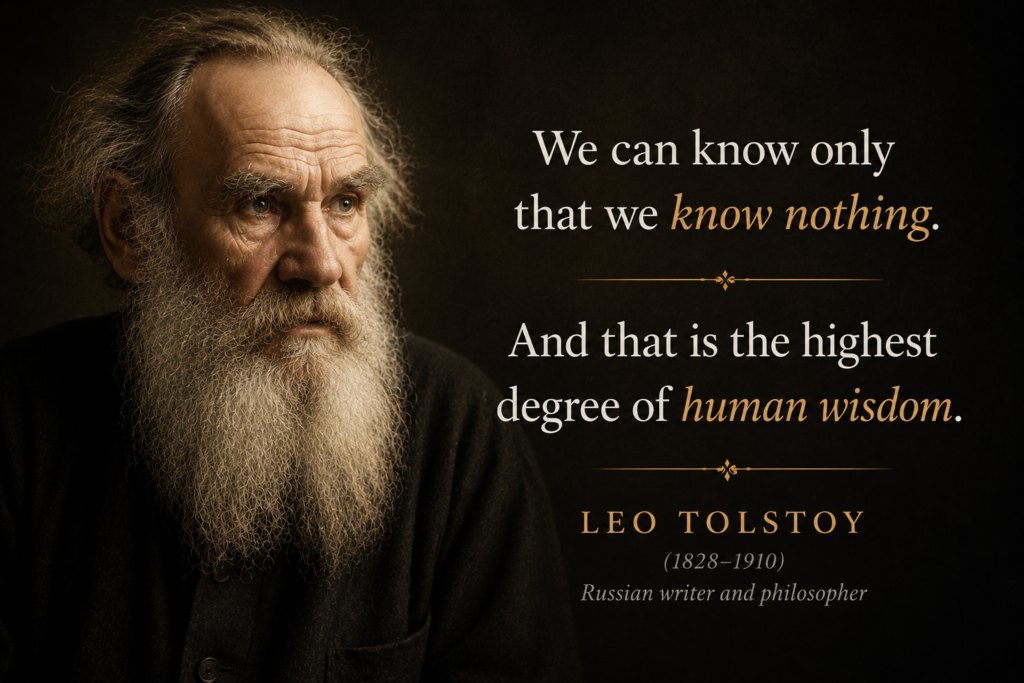 It’s not that you don’t know what is true; it’s that you can’t know what is true.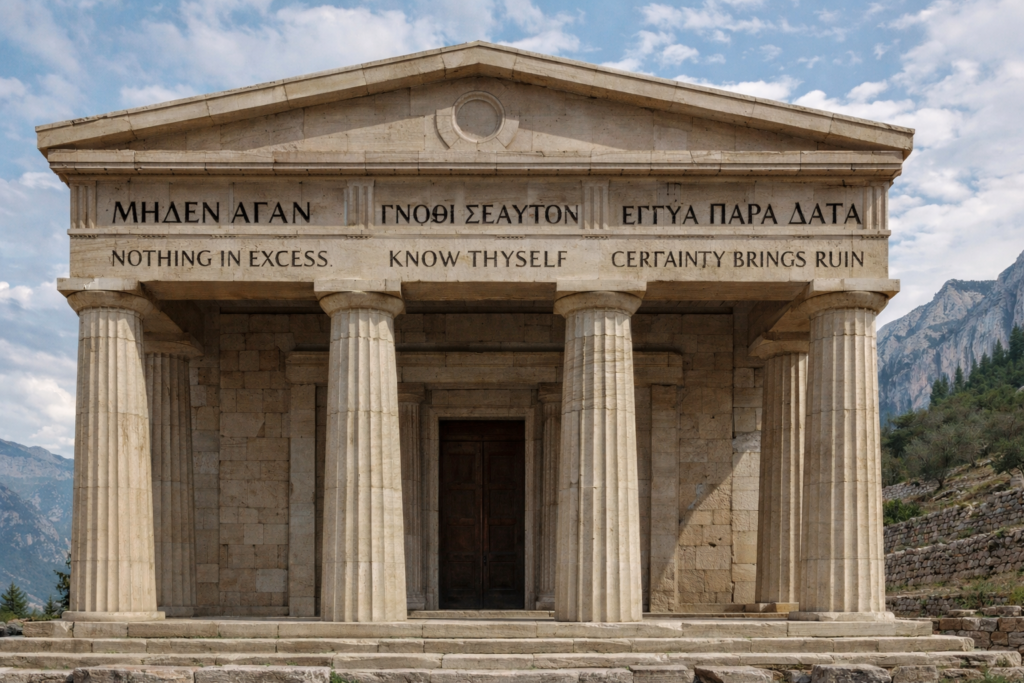
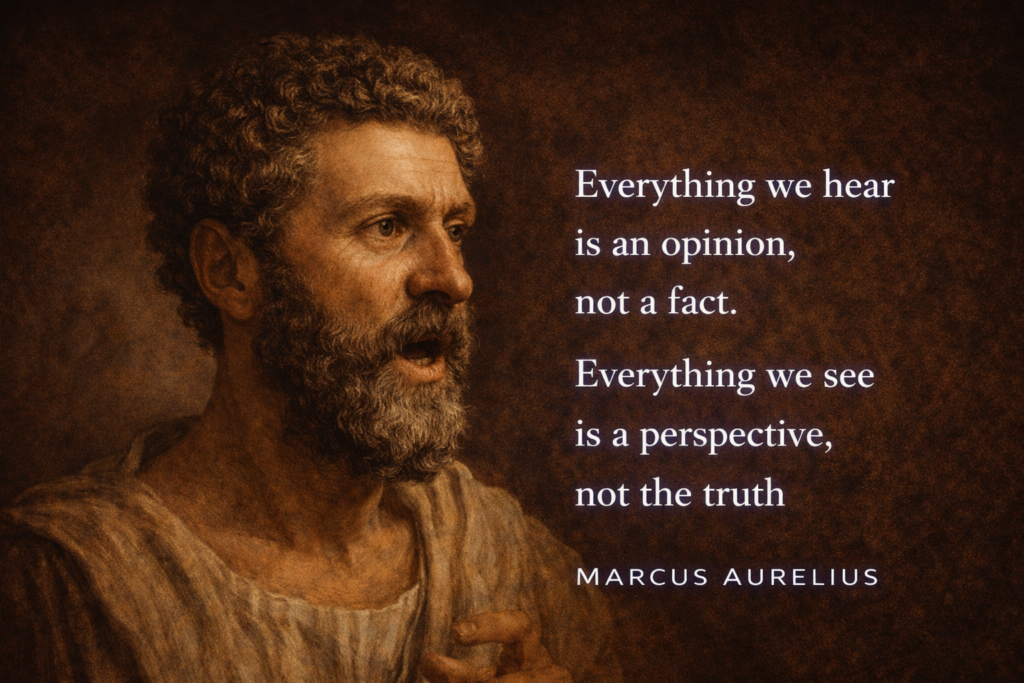
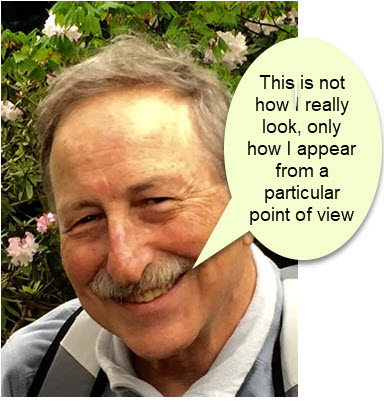 I wanted a photo of myself for this website, so I went through the ones I had, looking for the least embarrassing one. I chose this one because I thought it makes me look good, better, in fact, than I actually look. This realization led to a sequence of thoughts: “Maybe I’m deceiving the public by misrepresenting my appearance. . . . Wait a minute, maybe this photo is accurate, and it’s the others that make me look worse than I really look.” While these self-focused ruminations evoke emotional reactions in me, they are meaningless from any other perspective. Each photo shows how I looked from a particular camera angle at a particular time. There is no “most valid” camera point of view, just as there is no most valid point of view from which to judge an event. Likewise, there is no correct perspective from which to judge my value, lovability, shame-worthiness, etc.


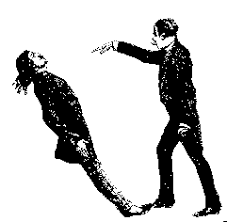 The real power belongs to the subject: the power to give or withhold assent. What laypeople call hypnosis is nothing more than reacting to suggestions as though they were true.

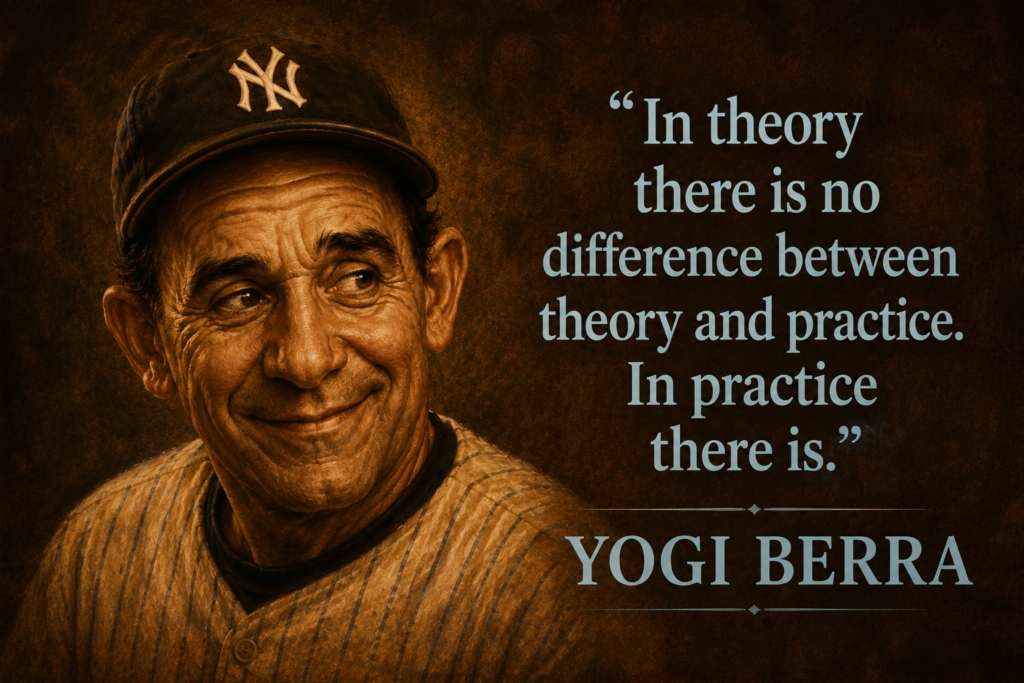

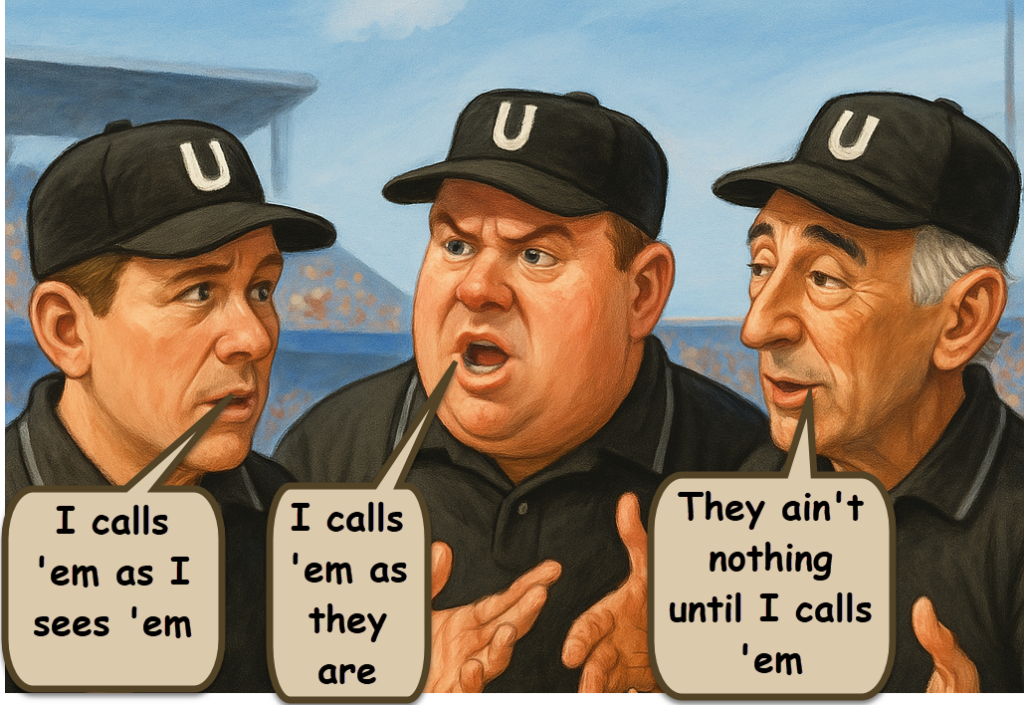 Three baseball umpires are describing how they call balls and strikes, and there is some disagreement. The first says, “I call ’em as I sees ’em;” the second says: “I calls em as they are;” and the third says: “They ain’t nothin’ until I calls em.” The first is honest about the limitations of his perception of the truth and sees his job as honestly reporting how the truth shows up from his standpoint. He expresses the understanding of most thoughtful people who realize that perception is a function of their point of view. He has half the picture: the half that humbles. He’s missing the half that empowers. The second is so arrogant that he naively accepts the unlikely premise that his perception is immaculate; his certainty that he sees things as they are protects his gullibility from inspection. The third umpire is wisest, for he realizes that his position as umpire gives him the power and responsibility to define balls and strikes. If he calls a third strike, the batter is out despite his claims, and those of his teammates, that the pitch was way outside.
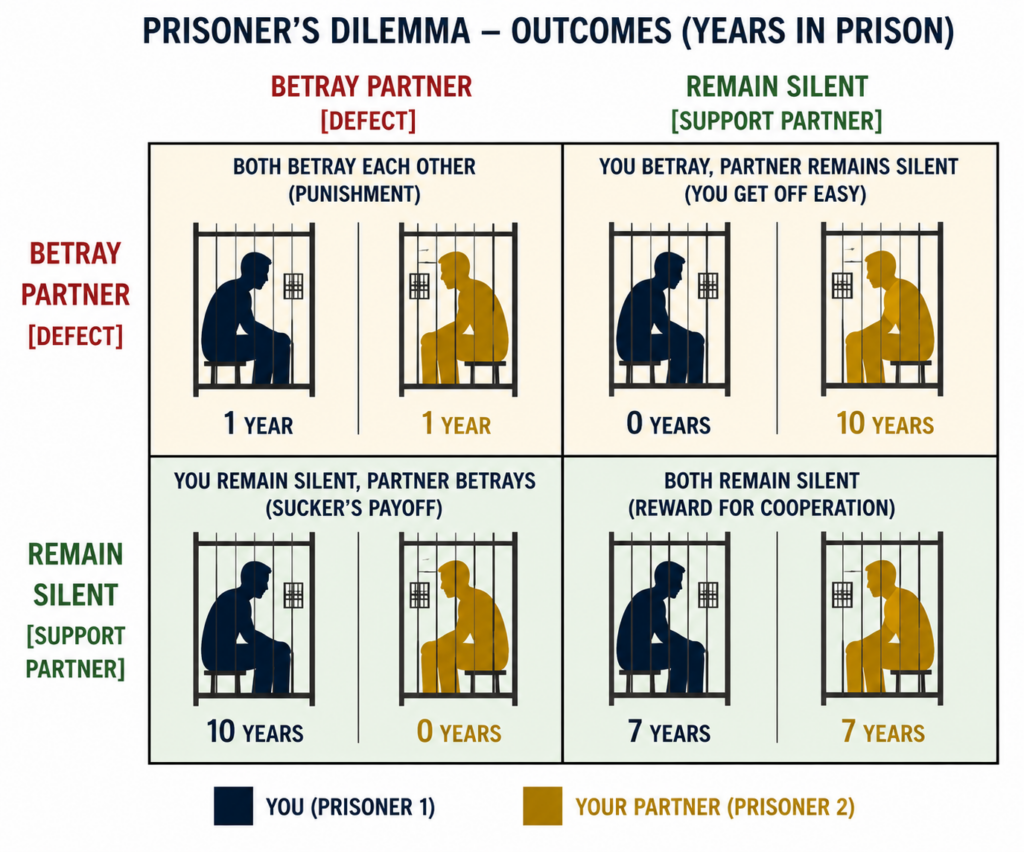
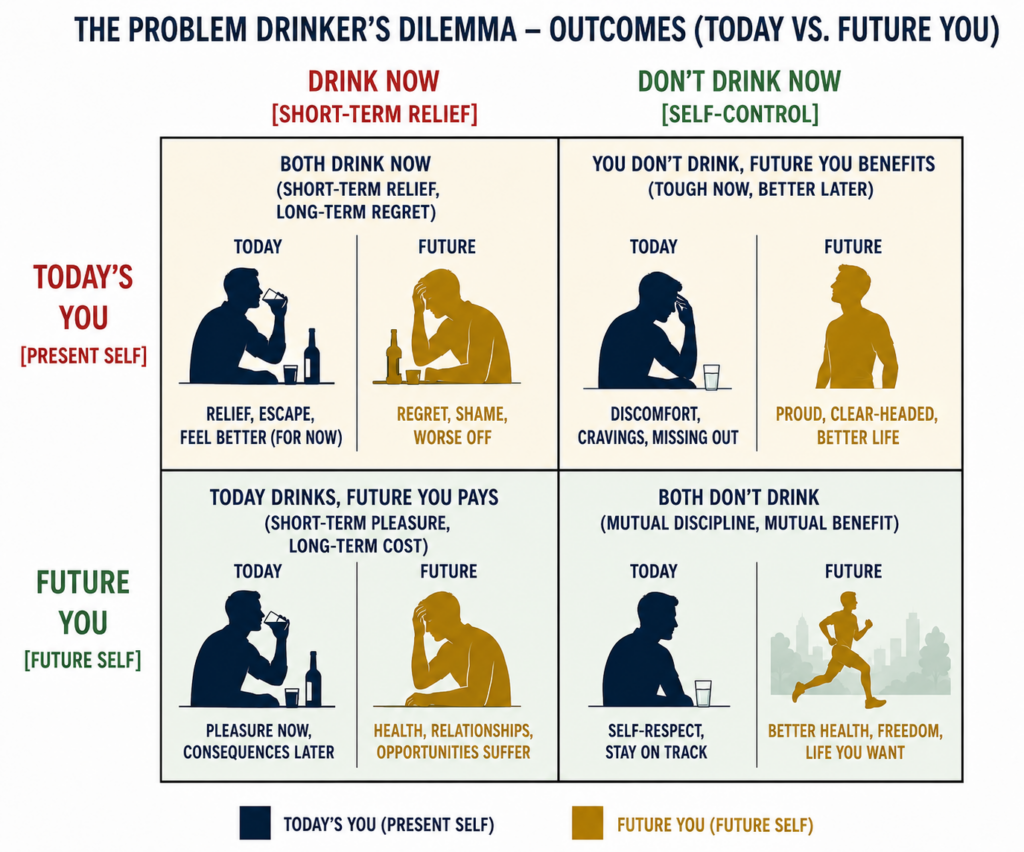


 The strategy best suited to win the important game does not require the brute strength of Achilles, nor the elimination of temptation, fear, and doubt. It is the ability to step outside the game currently being played and ask a question that cannot be asked from inside the trance: What game am I in?
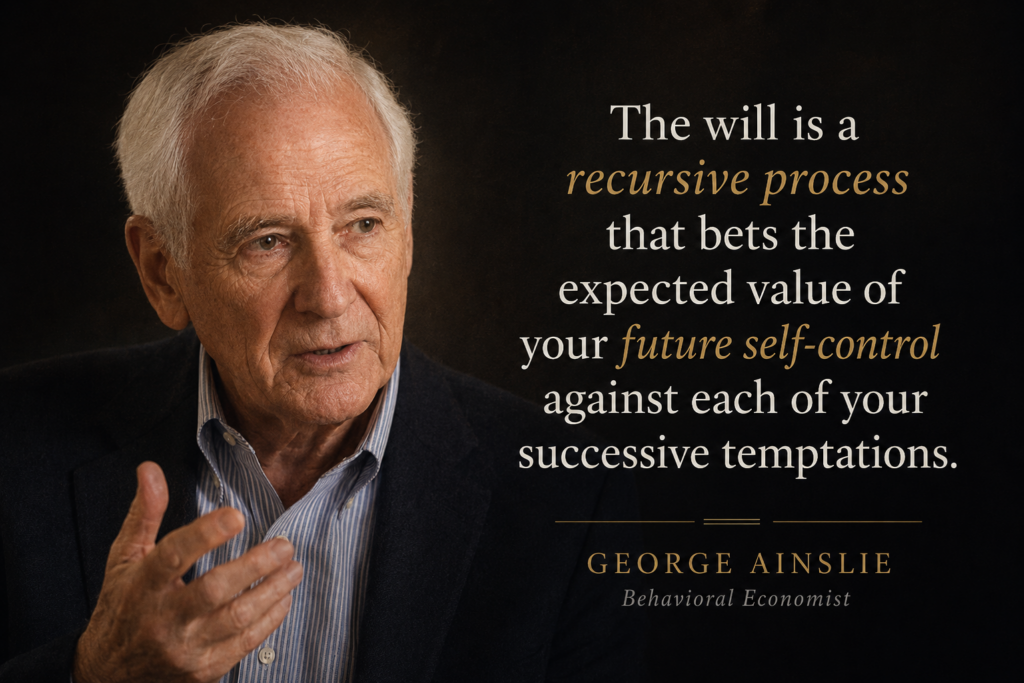 The essence of Ainslie’s insight: View your commitments as wagers. Understand this: Once you make a commitment, breaking it would not merely cost you one defeat; it would show you that your commitment cannot be trusted, thereby weakening every commitment you might make in the future. That is Ainslie’s Bet: we bind the future self not with rope but with the knowledge that to break our word once is to discover it was never worth anything. The ropes are not the solution. The solution is the bet that gives the ropes their power.